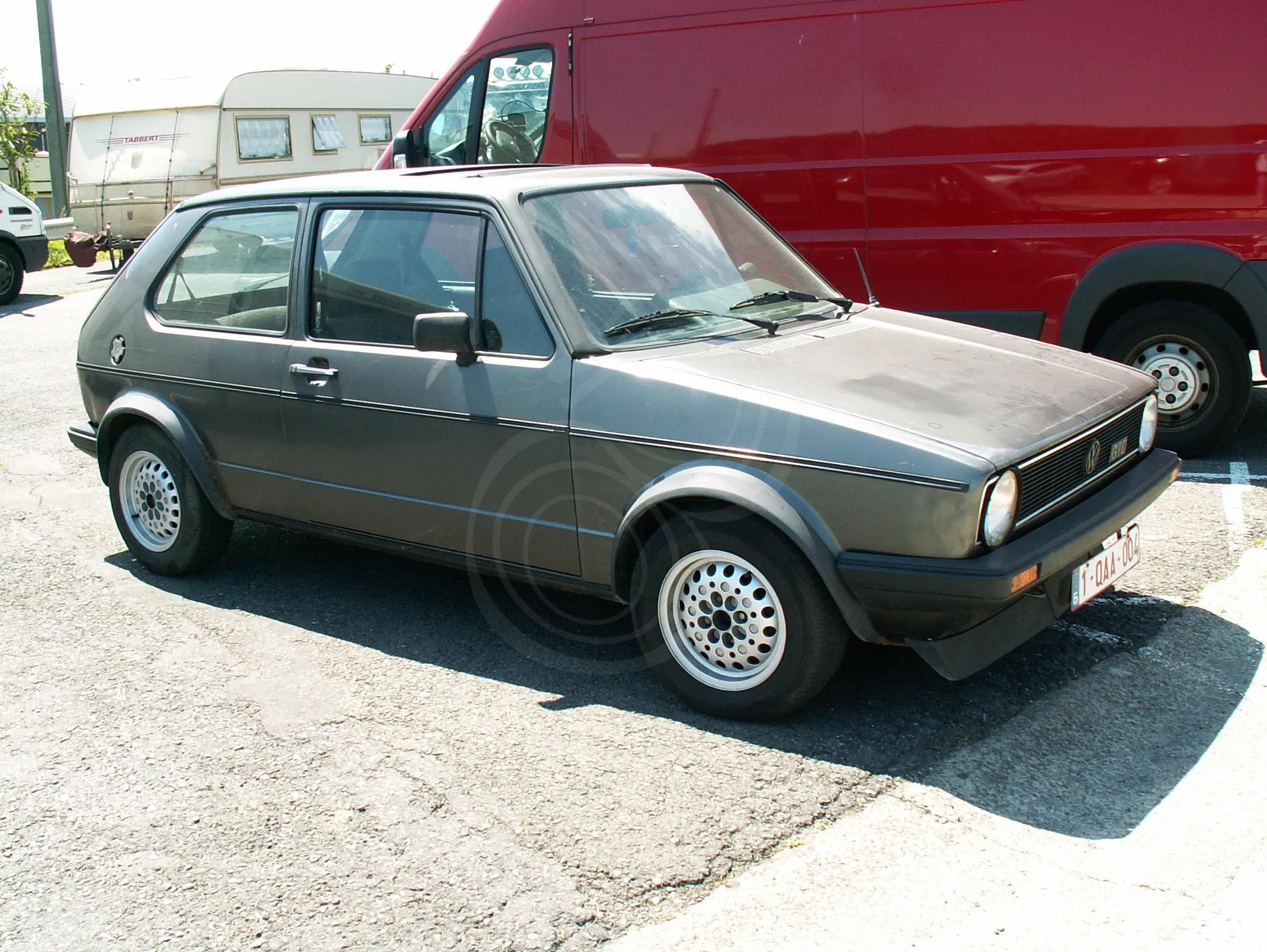

The Volkswagen Golf I, introduced in 1974, was a pivotal car, replacing the iconic Beetle and ushering in a new era for the German automaker. Its Giugiaro-penned hatchback design was a stark departure, prioritizing practicality and modernity over the Beetle's rear-engine, air-cooled layout.
Early Golfs were simple, functional machines. The interior, while well-assembled, lacked the plushness of some rivals. Performance from the initial 1.1-liter and 1.5-liter engines was adequate, though not exhilarating. Handling was competent, benefiting from front-wheel drive, a significant advantage over the Beetle's rear-wheel drive.
The Golf's true strength lay in its versatility. The hatchback configuration offered surprising cargo space, making it ideal for everyday use. Reliability, while not always bulletproof, was generally good, and parts availability remains strong today.
However, the Golf I wasn't without its flaws. Rust was a common enemy, and the basic trim levels felt spartan. The early engines, while economical, could feel underpowered on the open road. Despite these shortcomings, the Golf I's impact is undeniable. It established a template for the modern hatchback and remains a significant piece of automotive history.