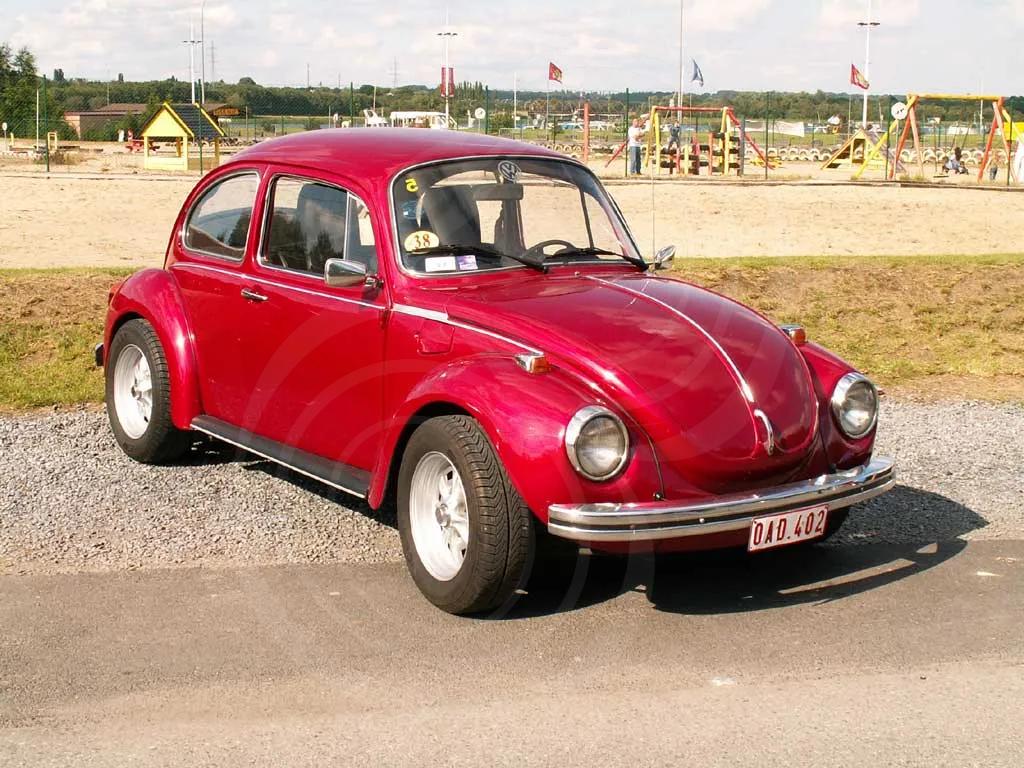

The Volkswagen Beetle, or Coccinelle as it's known in France, is an undeniable icon. Its rounded silhouette, a product of pre-war design, remains instantly recognizable. While charming, the Beetle's appeal is rooted in its simplicity and affordability, not necessarily in groundbreaking performance.
Early models, powered by a rear-mounted, air-cooled flat-four engine, offered modest power and a distinctive, somewhat agricultural, driving experience. Handling, particularly in crosswinds, could be challenging. The interior, though functional, was basic, with minimal instrumentation and a focus on practicality over luxury.
Over the years, VW refined the Beetle, introducing improvements to the engine, suspension, and interior. However, the core formula remained: a small, economical car designed for the masses. Reliability, a key selling point, was generally good, contributing to the Beetle's longevity and global popularity.
Despite its limitations, the Beetle's enduring appeal lies in its accessibility and the sense of community it fostered. It represents a significant chapter in automotive history, a testament to clever engineering and a design that transcended trends. It's a car that evokes nostalgia, but one that demands realistic expectations.