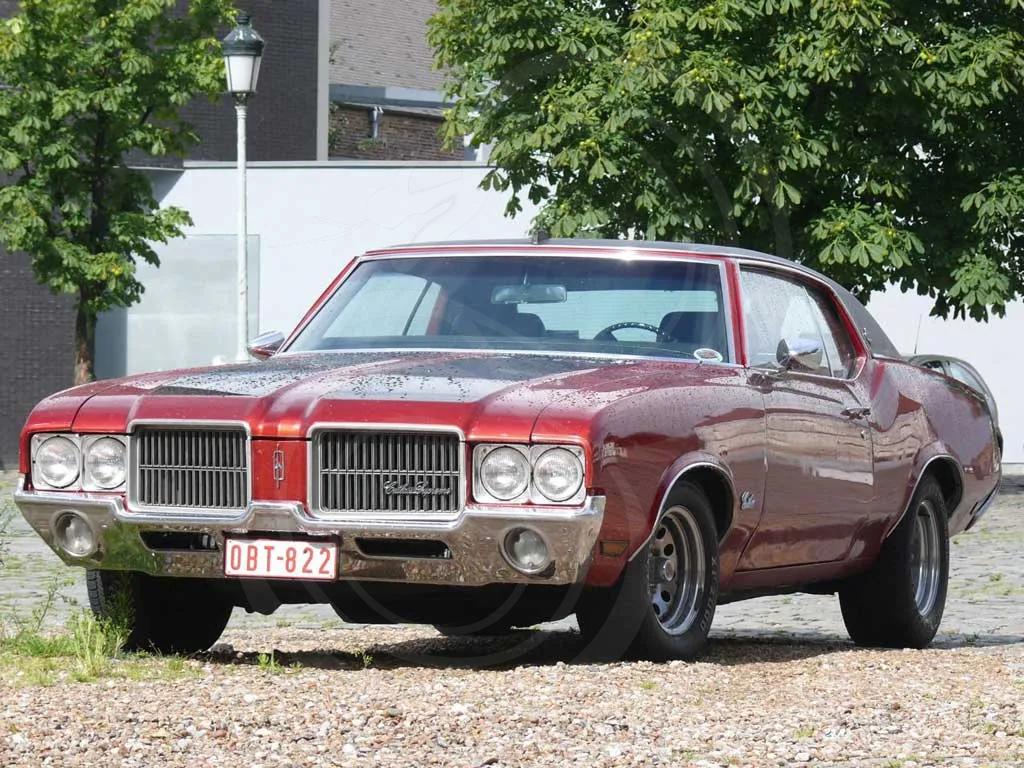

The Oldsmobile Cutlass, a nameplate that spanned decades, represents a significant slice of American automotive history. While the name conjures images of muscle cars and personal luxury, the reality is more nuanced. The Cutlass, particularly in its later iterations, often prioritized comfort and style over raw performance.
Early Cutlasses, especially the 4-4-2 variants, offered a potent blend of power and handling, appealing to performance enthusiasts. However, as the years progressed, the Cutlass evolved. The emphasis shifted towards a more refined driving experience, with plush interiors and a focus on creature comforts.
The styling, often distinctive, varied considerably across generations. Some models boasted sleek lines and aggressive stances, while others adopted a more conservative, family-oriented aesthetic. Build quality, a common criticism of GM products of the era, could be inconsistent. Rust, a persistent enemy, often plagued these cars.
Ultimately, the Cutlass's appeal lies in its versatility. It offered something for a wide range of buyers, from those seeking a sporty coupe to those desiring a comfortable sedan. Its legacy is complex, a reflection of the changing tastes and priorities of the American car market.