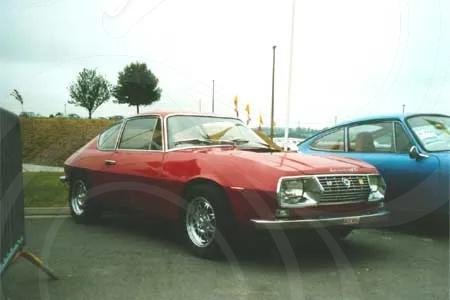

The Lancia Fulvia Sport Zagato, a product of Italian flair and engineering, presents a compelling, if somewhat quirky, proposition. Penned by Ercole Spada at Zagato, its distinctive fastback silhouette, characterized by a sharply raked rear window and a Kamm tail, immediately sets it apart. The aluminum body, a Zagato hallmark, contributes to a lighter overall weight, enhancing the performance of the front-wheel-drive layout.
Under the hood, the Fulvia Sport houses a jewel of an engine: a narrow-angle V4, known for its smoothness and willingness to rev. While not a powerhouse, the engine provides adequate performance for spirited driving, especially considering the car's size. The handling, typical of Lancias of the era, is precise and communicative, offering a rewarding driving experience.
However, the Fulvia Sport isn't without its compromises. The interior, while stylish, can feel cramped, and the build quality, while generally good, may not match the standards of its contemporaries. Rust, a common enemy of Italian cars, is a significant concern. Furthermore, the Zagato bodywork, while beautiful, can be challenging and expensive to repair. Despite these drawbacks, the Fulvia Sport Zagato remains a desirable classic, a testament to Italian design and a rewarding driver's car for those willing to embrace its idiosyncrasies.