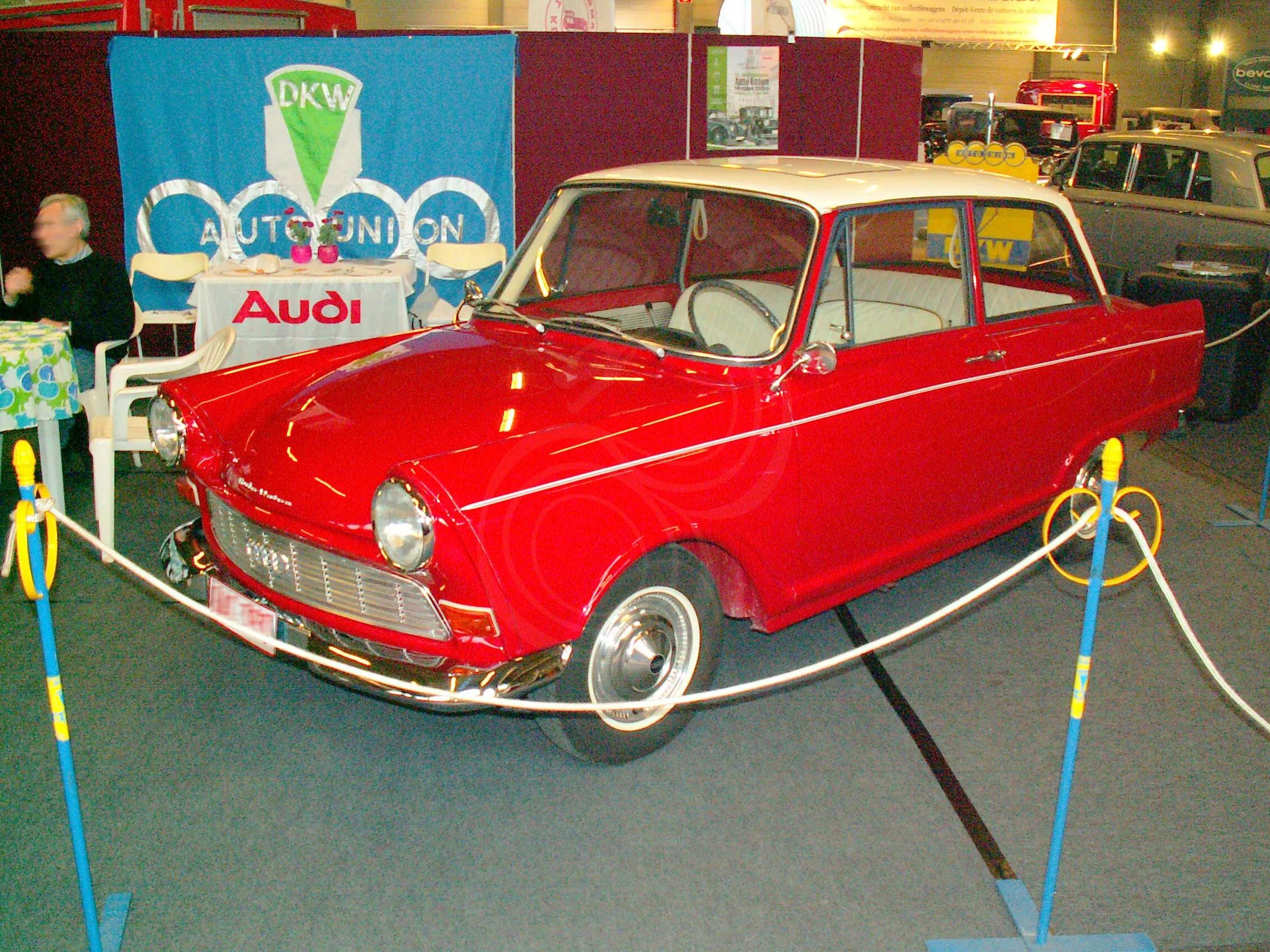

The DKW Junior, a product of post-war German engineering, offered a compact and economical motoring experience. Produced from 1961 to 1963, it was a front-wheel-drive car powered by a two-stroke, three-cylinder engine, a hallmark of DKW's identity. This engine, while offering decent fuel economy, was known for its distinctive, often smoky, exhaust and a somewhat unrefined power delivery.
Stylistically, the Junior presented a simple, boxy design, typical of its era. Its interior, though functional, lacked the plushness found in some competitors. The car's handling, while adequate for its intended purpose, could feel somewhat light and prone to understeer.
The Junior's appeal lay in its affordability and practicality. It was a car designed for everyday use, a reliable workhorse for the average family. However, its two-stroke engine required more frequent maintenance than its four-stroke rivals, and its performance was never going to set any speed records. While the DKW Junior holds a place in automotive history, it's a car best appreciated for its historical significance and its role in rebuilding post-war Germany, rather than for its driving dynamics or luxurious appointments.