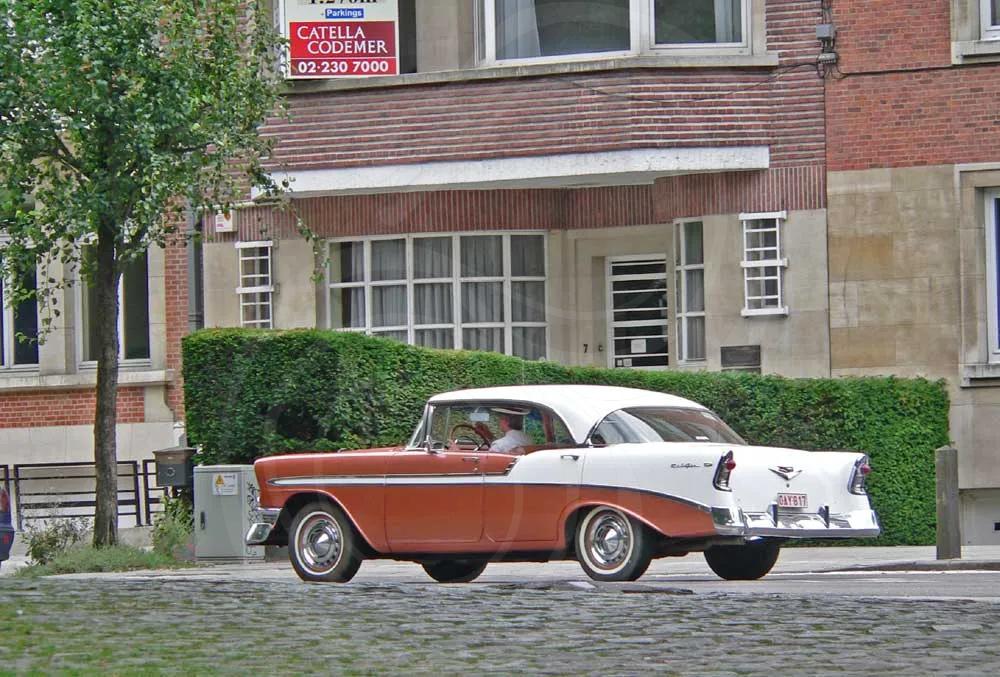

The Chevrolet Bel Air, a name synonymous with the 1950s, represents a pivotal era in American automotive history. Introduced in 1953, the Bel Air quickly became a symbol of post-war prosperity and design innovation. Its sleek, chrome-laden exterior, particularly the iconic "shoebox" design of the mid-fifties, remains instantly recognizable.
Early models featured inline-six or V8 engines, offering a respectable, if not blistering, performance for the time. The ride quality, typical of the era, prioritized comfort over handling, with a soft suspension that soaked up bumps but could feel floaty at higher speeds. Interior appointments, while luxurious for the period, often included vinyl upholstery and basic instrumentation.
The Bel Air's popularity stemmed from its affordability and stylish design. It was a car for the masses, a statement of upward mobility. However, its mechanical simplicity and readily available parts have contributed to its enduring appeal for classic car enthusiasts. While not a sports car, the Bel Air offered a comfortable and stylish way to cruise, a rolling testament to a bygone era of American automotive design. Its legacy is secure, a reminder of a time when cars were as much about aesthetics as they were about transportation.