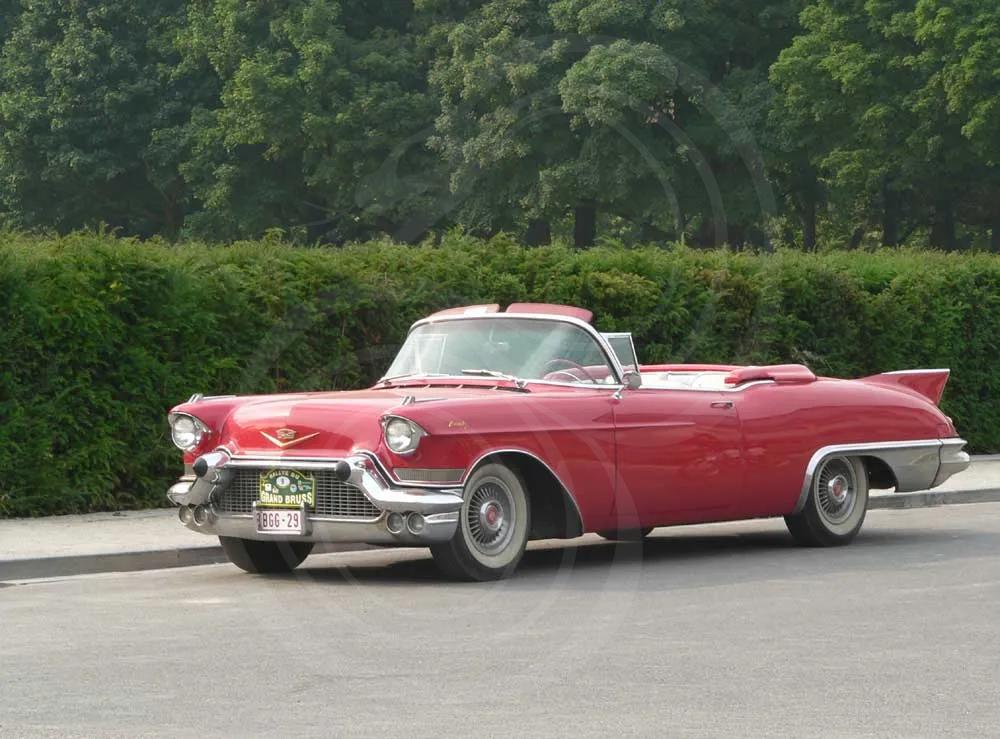

The Cadillac Eldorado, a name synonymous with American luxury, underwent a dramatic transformation throughout its production run. From its initial, sleek, hand-built 1953 debut, a personal luxury coupe, the Eldorado evolved, sometimes gracefully, sometimes less so.
Early models, particularly the '50s versions, are undeniably iconic, boasting dramatic tailfins, chrome galore, and powerful V8 engines. These are the Eldorados that collectors covet, representing the peak of post-war optimism and design excess.
The '60s saw the Eldorado shift towards a more streamlined aesthetic, culminating in the front-wheel-drive, personal luxury coupe of 1967. This generation, while mechanically innovative, often suffered from build quality issues. The '70s brought a bloated, fuel-guzzling Eldorado, reflecting the era's design trends, and the '80s saw a downsizing and a return to front-wheel drive.
The Eldorado's legacy is complex. It represents a bold experiment in American automotive design, a car that consistently pushed boundaries, even if the results were not always universally praised. Its value today varies wildly depending on the year, with early models commanding significant sums, while later examples are more attainable. The Eldorado is a car that demands respect, even if its execution was sometimes flawed.