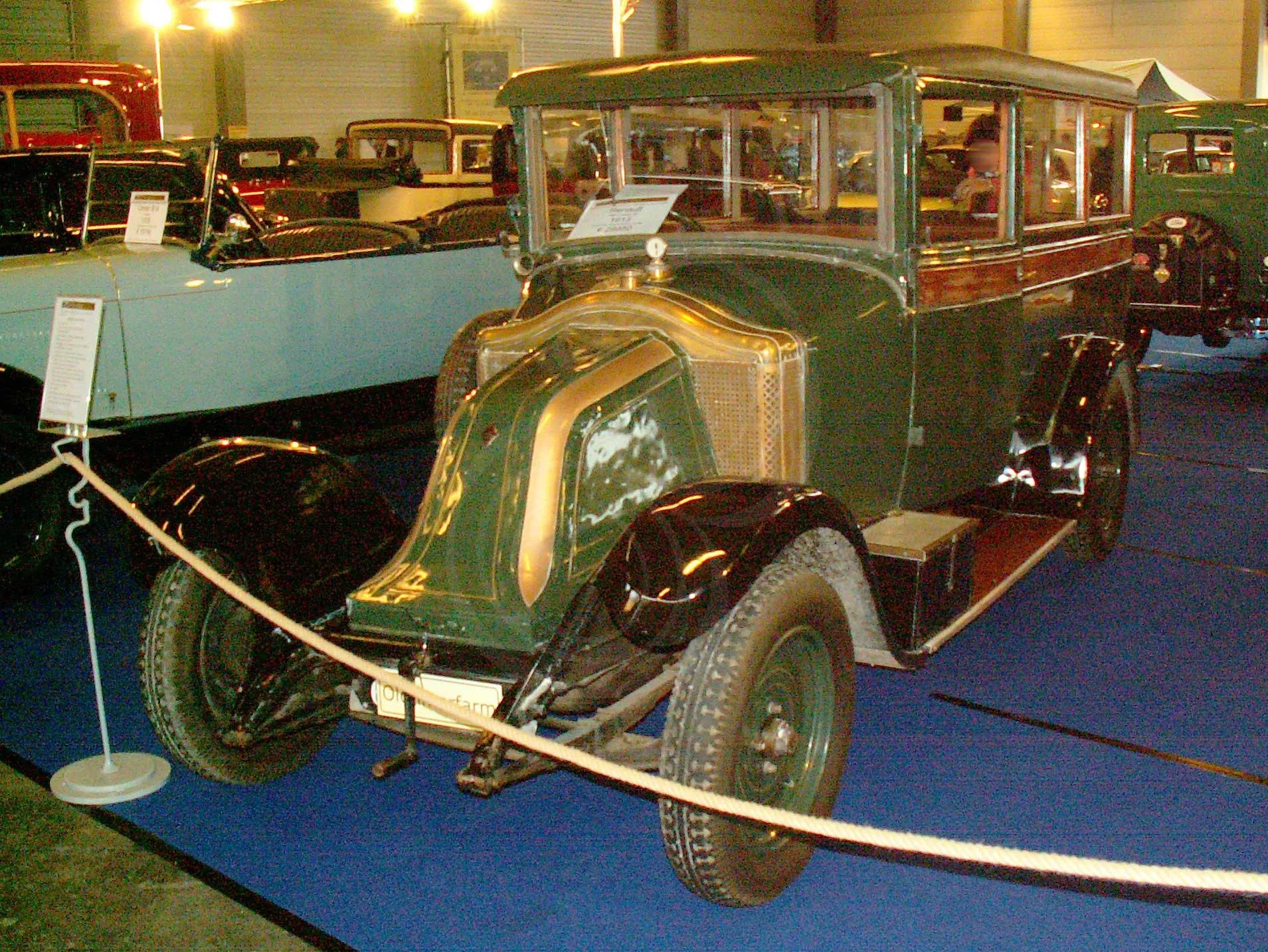

The Renault DM, produced from 1931 to 1934, represents a significant, if somewhat unremarkable, chapter in the French automaker's history. Positioned as a mid-range offering, the DM aimed to provide reliable transportation for the burgeoning middle class. Its design, while functional, lacked the flair of contemporary rivals. The upright stance and boxy silhouette, typical of the era, prioritized practicality over aesthetics.
Power came from a four-cylinder side-valve engine, offering modest performance. Acceleration was leisurely, and top speeds were adequate for the roads of the time. The suspension, employing leaf springs, delivered a ride that was more utilitarian than luxurious.
Inside, the DM offered a basic, no-frills experience. The cabin was functional, with simple instrumentation and a focus on durability. While the build quality was generally sound, the materials used were not particularly high-end.
The DM's legacy is one of dependability rather than excitement. It served its purpose as a workhorse, contributing to Renault's growing presence in the market. Today, the DM is a relatively uncommon sight, appreciated by enthusiasts for its historical significance and the opportunity to experience a slice of early 1930s motoring. It's a car that gets the job done, but doesn't necessarily inspire passion.