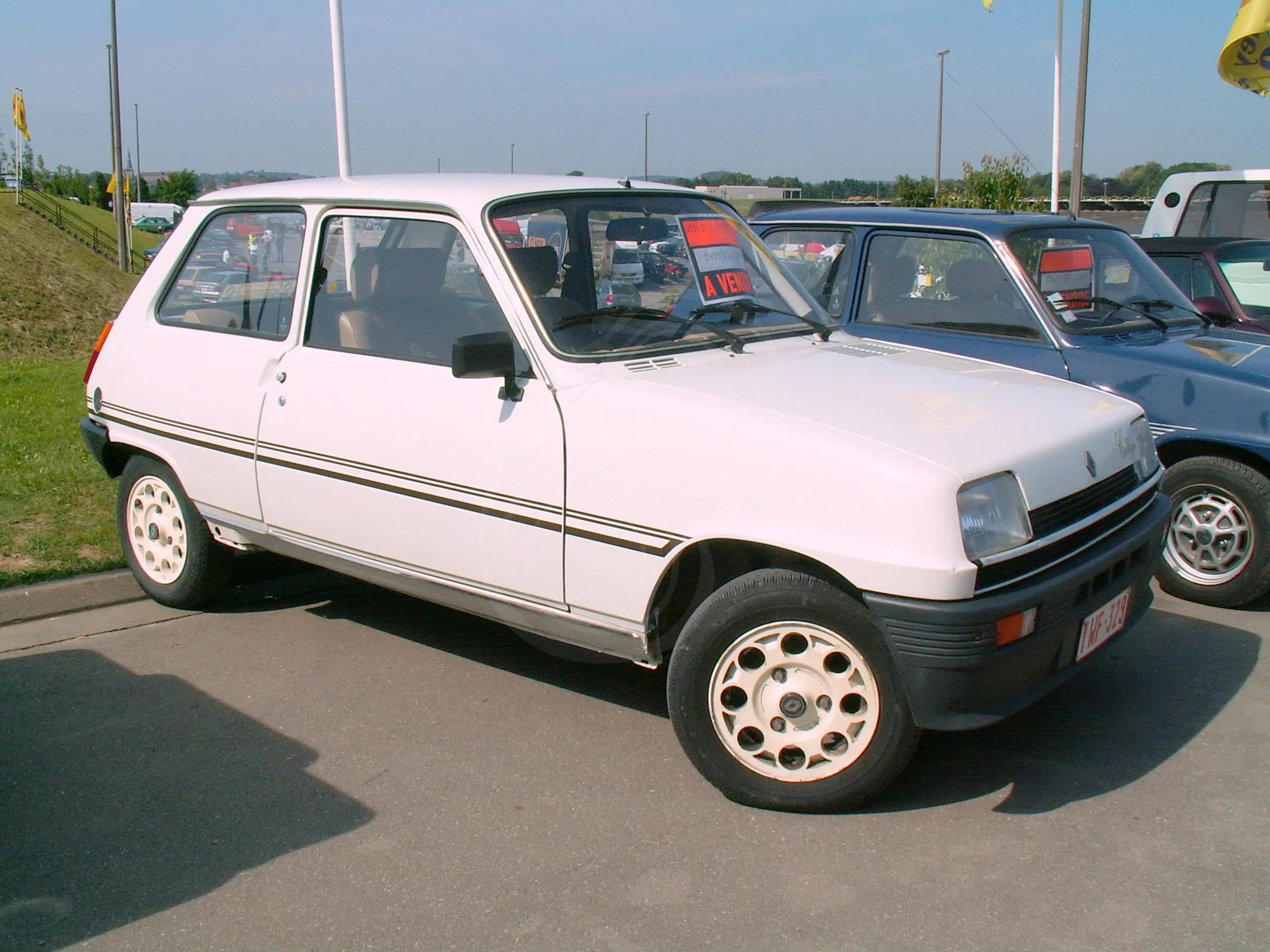

The Renault 5, a small hatchback that punched above its weight, arrived in 1972 and quickly became a European success story. Its distinctive, boxy silhouette, penned by Michel Boué, was instantly recognizable, and its compact dimensions made it ideal for navigating crowded city streets.
Early models, like the base "L" and the slightly more refined "TL," offered modest performance from their small, economical engines. While not a powerhouse, the 5 prioritized fuel efficiency and practicality. The interior, though basic, was functional and surprisingly spacious for its size, offering a decent amount of cargo room thanks to the hatchback design.
The 5's popularity stemmed from its affordability and ease of use. It was a car for the masses, a reliable workhorse that didn't demand much in terms of maintenance. Later iterations, including the sporty Gordini and the electric "5 Electric," expanded the range and appeal.
However, the 5 wasn't without its flaws. Rust was a common enemy, and the build quality, while acceptable for the era, wasn't exceptional. The driving experience, while competent, lacked the refinement of some rivals. Nevertheless, the Renault 5 remains a significant car, a symbol of accessible motoring that helped shape the European automotive landscape.