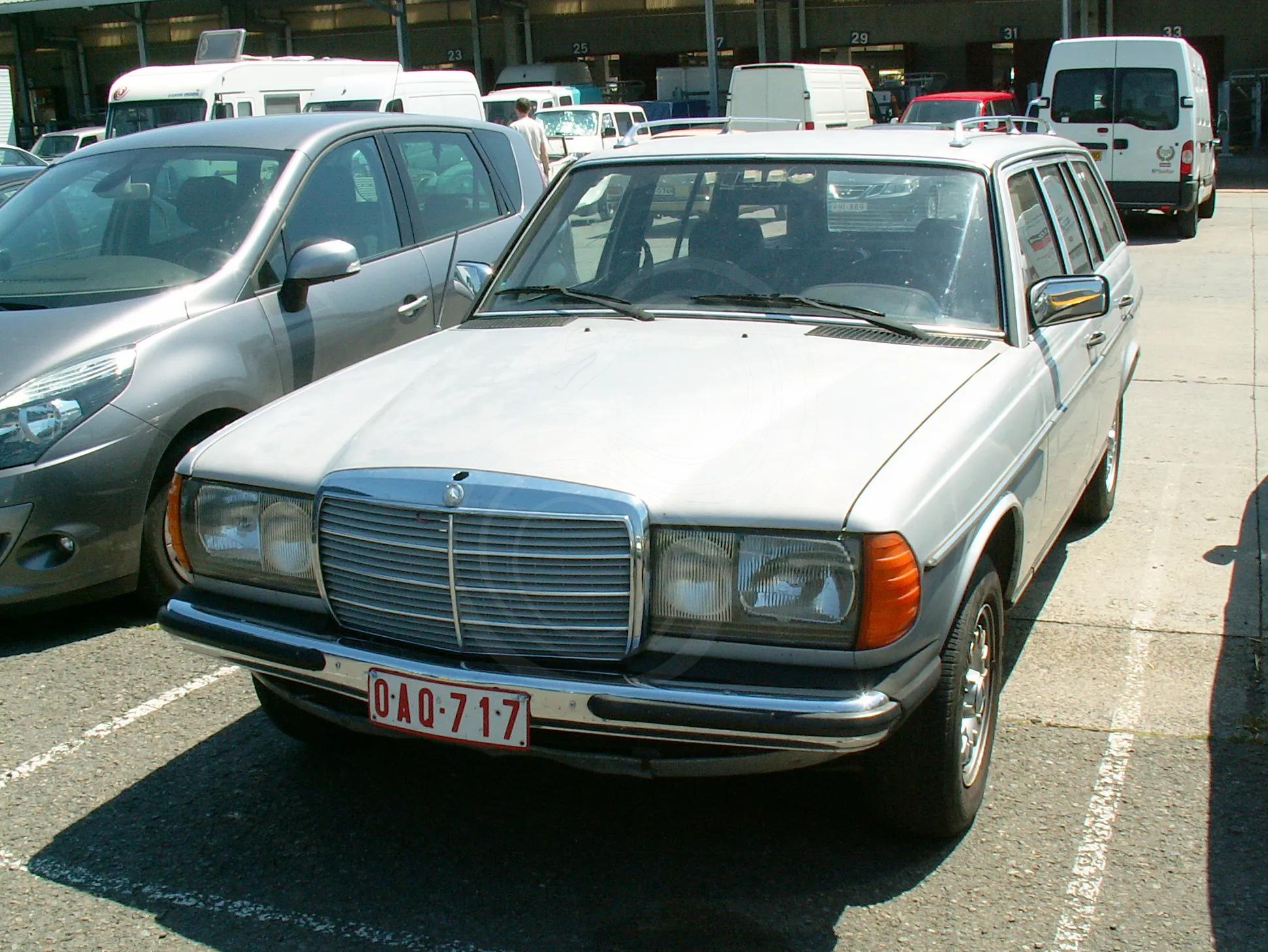

The Mercedes-Benz W123, produced from 1976 to 1985, remains a benchmark for robust, over-engineered German engineering. Offered in a variety of body styles, including sedan, coupe, and wagon, the W123's appeal lies in its longevity and perceived reliability. The range spanned from the economical 200 petrol to the powerful 300TD turbodiesel, catering to diverse needs.
While undeniably well-built, the W123 isn't without its flaws. Rust, particularly in the lower body panels and around the windscreen, is a common enemy, especially on cars that haven't been meticulously maintained. Performance, even from the larger engines, is often described as adequate rather than exhilarating. The interior, while durable, can feel somewhat austere and dated by modern standards.
However, the W123's strengths are considerable. The ride quality is generally comfortable, absorbing bumps with a characteristic Mercedes smoothness. Parts availability is generally good, and the simple mechanicals make it relatively easy to maintain, even for the home mechanic. The W123's enduring popularity is a testament to its solid construction and the enduring appeal of a well-built, if somewhat unexciting, classic. It's a car that prioritizes function over flash, and that's precisely what many owners appreciate.