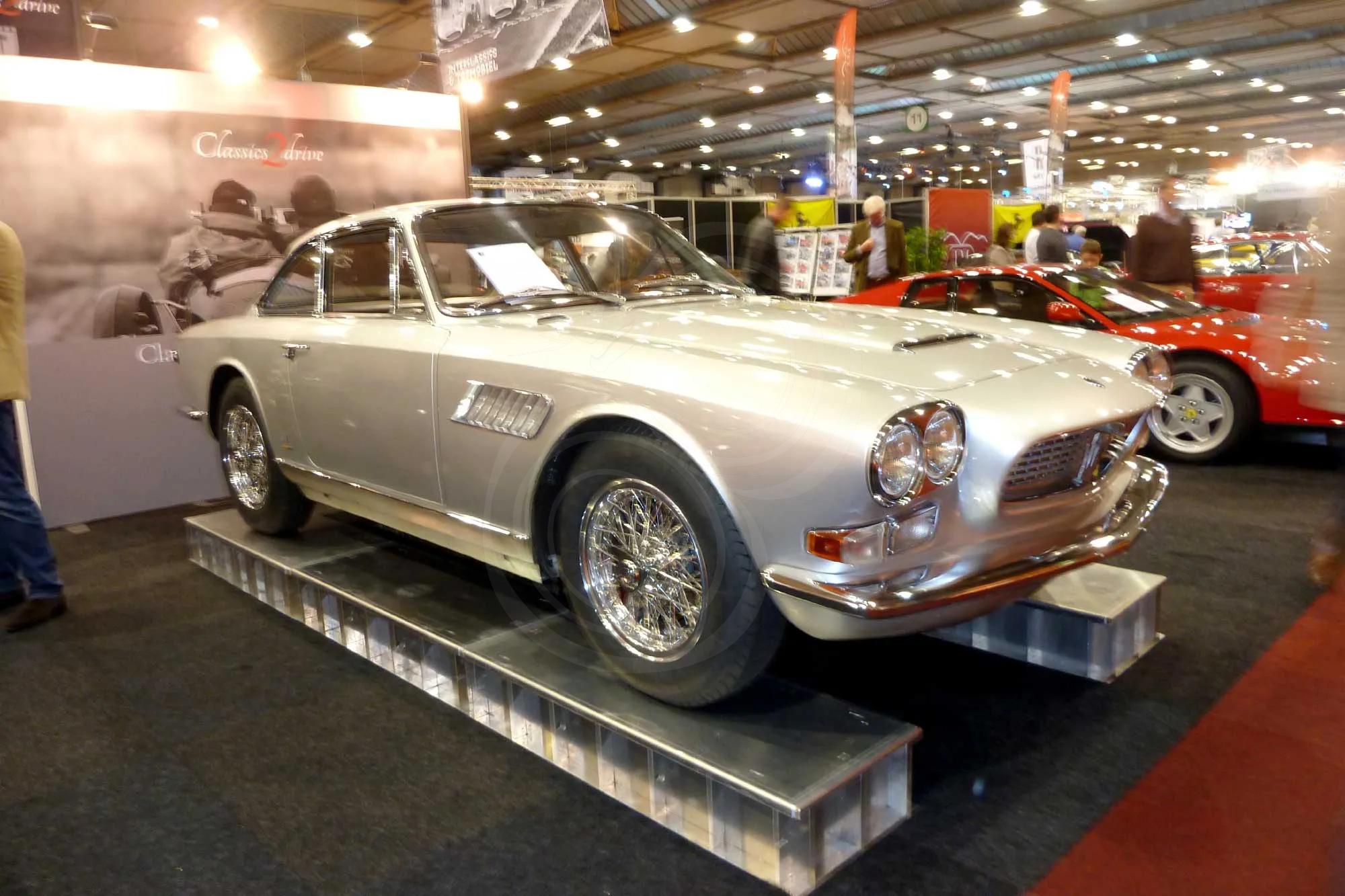

The Maserati Sebring, a grand tourer produced from 1962 to 1966, offered a blend of Italian flair and American-influenced practicality. Named after the Florida race track, the Sebring was a more refined and less overtly sporting alternative to the earlier 3500 GT. Its Pininfarina-designed body, while elegant, lacked the visual drama of some contemporaries.
Under the hood, a straight-six engine, initially 3.5 liters and later 3.7 and 4.0, provided ample power for comfortable cruising. Performance was brisk, but not blistering, reflecting its GT aspirations. The interior, though luxurious with leather and wood trim, could feel cramped for taller occupants. Build quality, typical of the era, was variable, and electrical gremlins were not uncommon.
The Sebring's appeal lies in its exclusivity and the cachet of the Maserati badge. It offered a unique driving experience, combining a sonorous engine note with a comfortable ride. However, potential buyers should be prepared for the complexities of maintaining a classic Italian car, including the potential for costly repairs and the need for specialist knowledge. While a beautiful car, the Sebring's value is tied to its rarity and historical significance, not necessarily its outright performance or reliability.