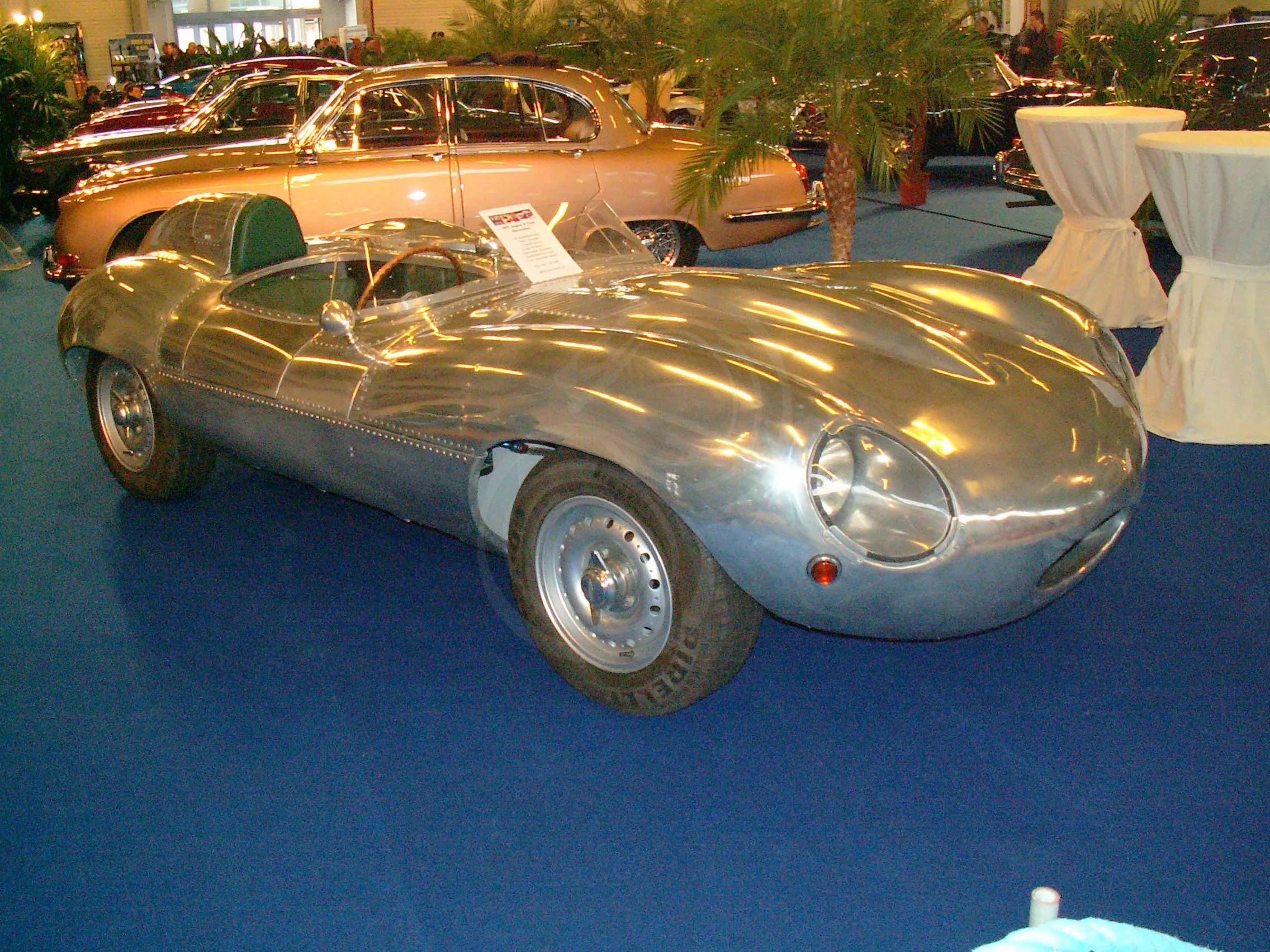

The Jaguar D-Type, a Le Mans legend, remains a striking example of mid-century British engineering. Its most defining feature, the aerodynamic tail fin, was born from necessity, not aesthetics, designed to improve high-speed stability on the Mulsanne Straight. The monocoque construction, a radical departure from the ladder chassis of its predecessor, the C-Type, contributed to its lightness and rigidity.
Power came from a development of the XK engine, a robust inline-six known for its reliability and performance. While potent, the engine's inherent limitations, particularly at higher revs, were evident compared to later competitors. The D-Type's disc brakes, a significant advancement at the time, provided superior stopping power, crucial for endurance racing.
However, the D-Type wasn't without its flaws. The driving position, low and cramped, offered limited visibility. The complex mechanicals demanded skilled maintenance, and the car's racing focus made it less than ideal for road use. Despite these shortcomings, the D-Type's racing pedigree, particularly its victories at Le Mans, cemented its place in automotive history. Its influence on subsequent sports car design is undeniable, making it a highly desirable, albeit demanding, classic.