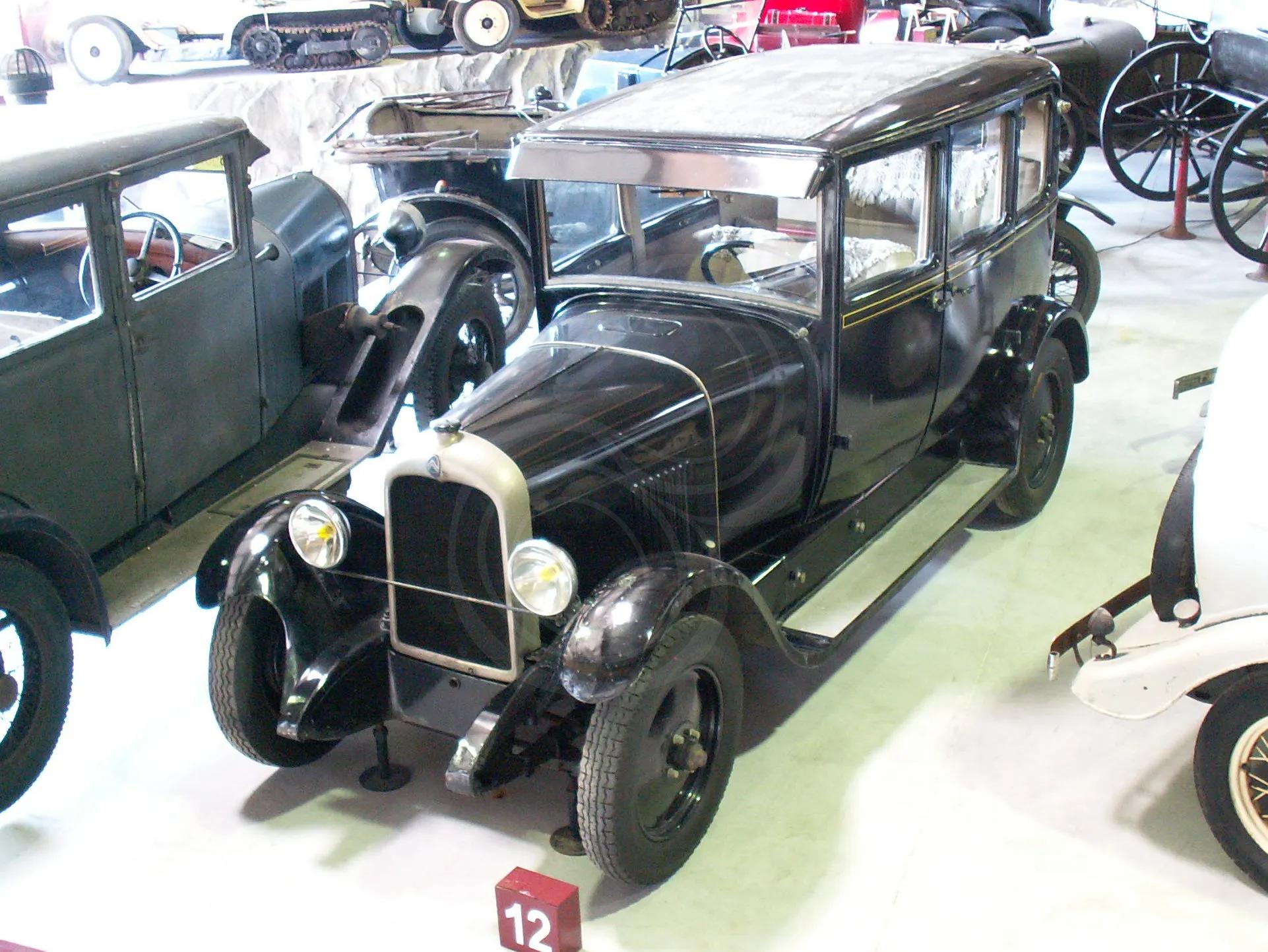

The Citroën B14, introduced in 1926, represented a significant step forward for André Citroën's burgeoning automotive empire. While not revolutionary in its design, it was a robust and affordable vehicle, a key factor in its success. The B14's appeal lay in its simplicity and practicality. Its four-cylinder engine, though not particularly powerful, provided adequate performance for the era.
The car's all-steel body construction, a rarity at the time, contributed to its durability and safety. However, the B14's ride quality, while improved over earlier Citroëns, could still be described as firm, reflecting the technology of the period. The brakes, mechanical drums, required a firm foot and careful anticipation.
Stylistically, the B14 was functional rather than flamboyant. Its upright stance and simple lines were typical of the late 1920s. The interior, while basic, offered a degree of comfort. The B14's legacy is one of reliability and accessibility. It was a car for the masses, a workhorse that helped establish Citroën as a major player in the automotive world. While not a collector's dream in terms of performance or luxury, the B14 remains a significant piece of automotive history, a testament to Citroën's early vision.