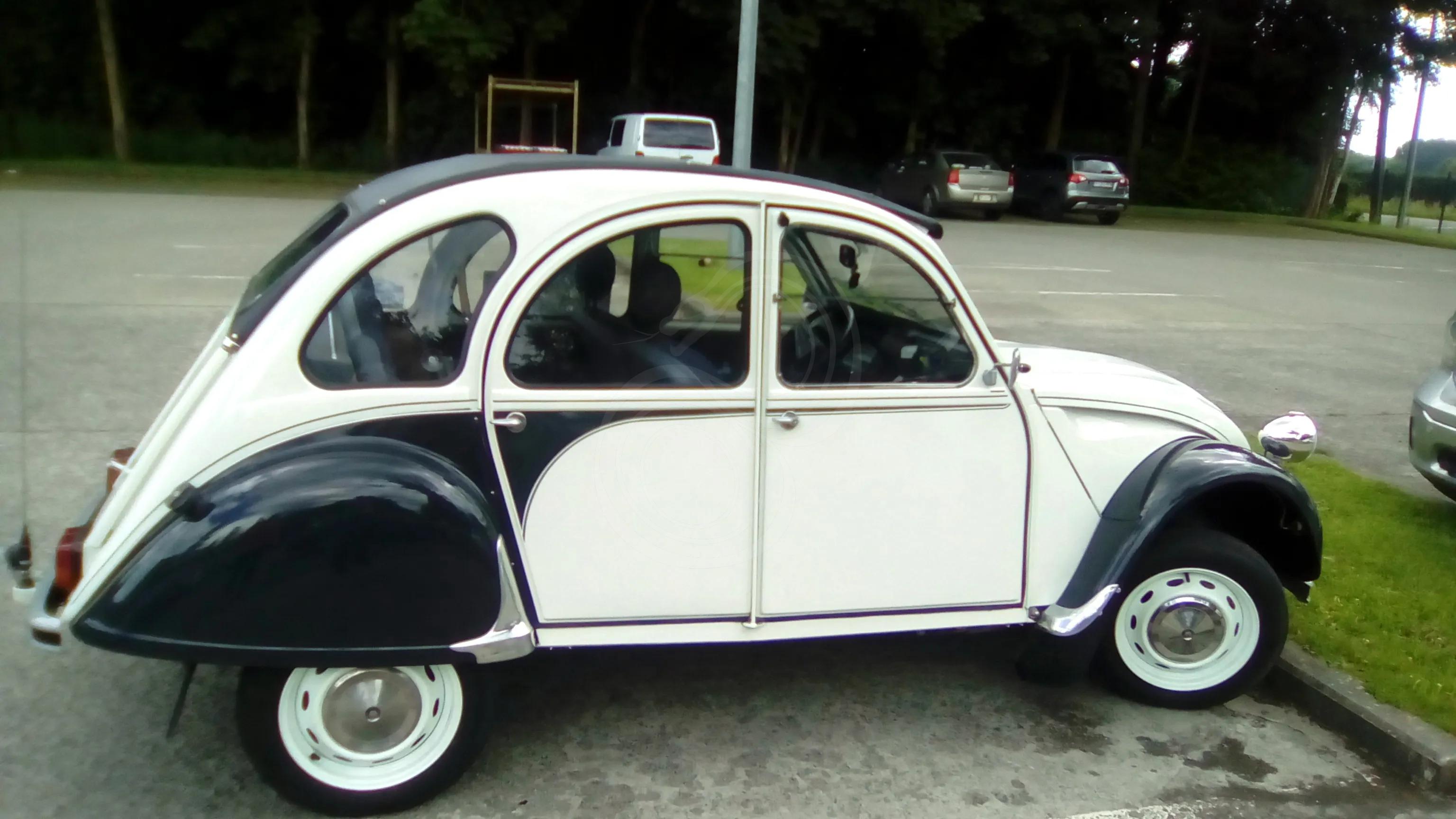

The Citroën 2CV, a car born of post-war austerity, remains a fascinating study in minimalist engineering. Its corrugated steel body, designed for ease of repair and minimal material usage, is instantly recognizable. The "deux chevaux" (two tax horsepower) engine, a small, air-cooled flat-twin, provides leisurely acceleration and a distinct, almost agricultural, soundtrack.
Inside, the 2CV prioritizes function over form. The seats, often described as hammocks, offer a surprising degree of comfort, while the dashboard is sparse, featuring only essential gauges. The canvas roof, easily rolled back, provides an open-air experience, though weatherproofing is, charitably, a secondary concern.
Handling is unique. The long-travel suspension, designed to traverse rough farm tracks, results in significant body roll and a somewhat disconnected feel. Braking, by modern standards, is underwhelming.
The 2CV's appeal lies not in performance or luxury, but in its simplicity, practicality, and undeniable charm. It's a car that embraces its limitations, offering a driving experience that is both quirky and endearing. While not a car for everyone, the 2CV remains a testament to innovative design and a symbol of a bygone era.